
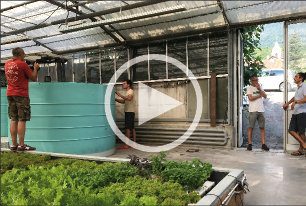
Matthäus Kircher & Tobias Rautscher about their Solos Farm:
Solos Farm in South Tyrol is a pioneer in the application of sustainable farming techniques, particularly through the use of aquaponic systems. This innovative approach combines fish farming (aquaculture) with soilless plant cultivation (hydroponics) in a closed-loop ecosystem.The fish produce natural waste nutrients that are used by the plants for growth. In return, the plants help purify the water, which is then recirculated back to the fish tanks. This process significantly reduces water consumption while eliminating the need for chemical fertilizers and pesticides.
At Solos Farm, a variety of fresh produce, including vegetables, herbs and fish, is cultivated and marketed locally. This not only supports the regional economy but also reduces environmental impact through shorter transportation routes. In addition to production, the farm offers workshops and training programmes to share knowledge about sustainable cultivation methods. In doing so, Solos Farm makes an important contribution to promoting environmentally friendly and resource-efficient food production.
“My father-in-law is a fisherman, and when I started discussing sustainable fish farming with him, we came to the conclusion that truly sustainable fish farming did not exist. That led us to explore aquaponics, and shortly afterwards, in collaboration with hydraulic specialists and engineers, we built our first system,” says Matthäus.
The funded project:
“The Ethical Banking loan helped finance the development of a competence centre with dedicated research and development facilities.”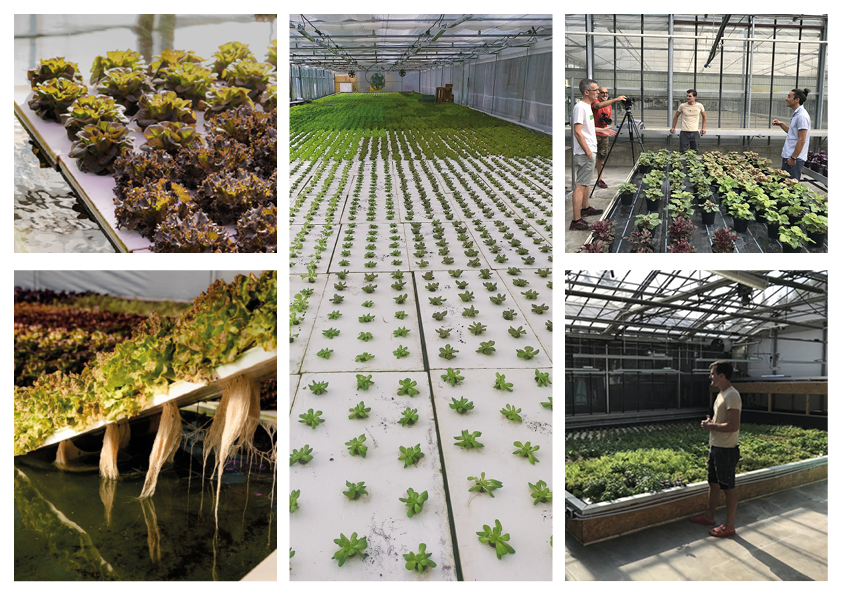
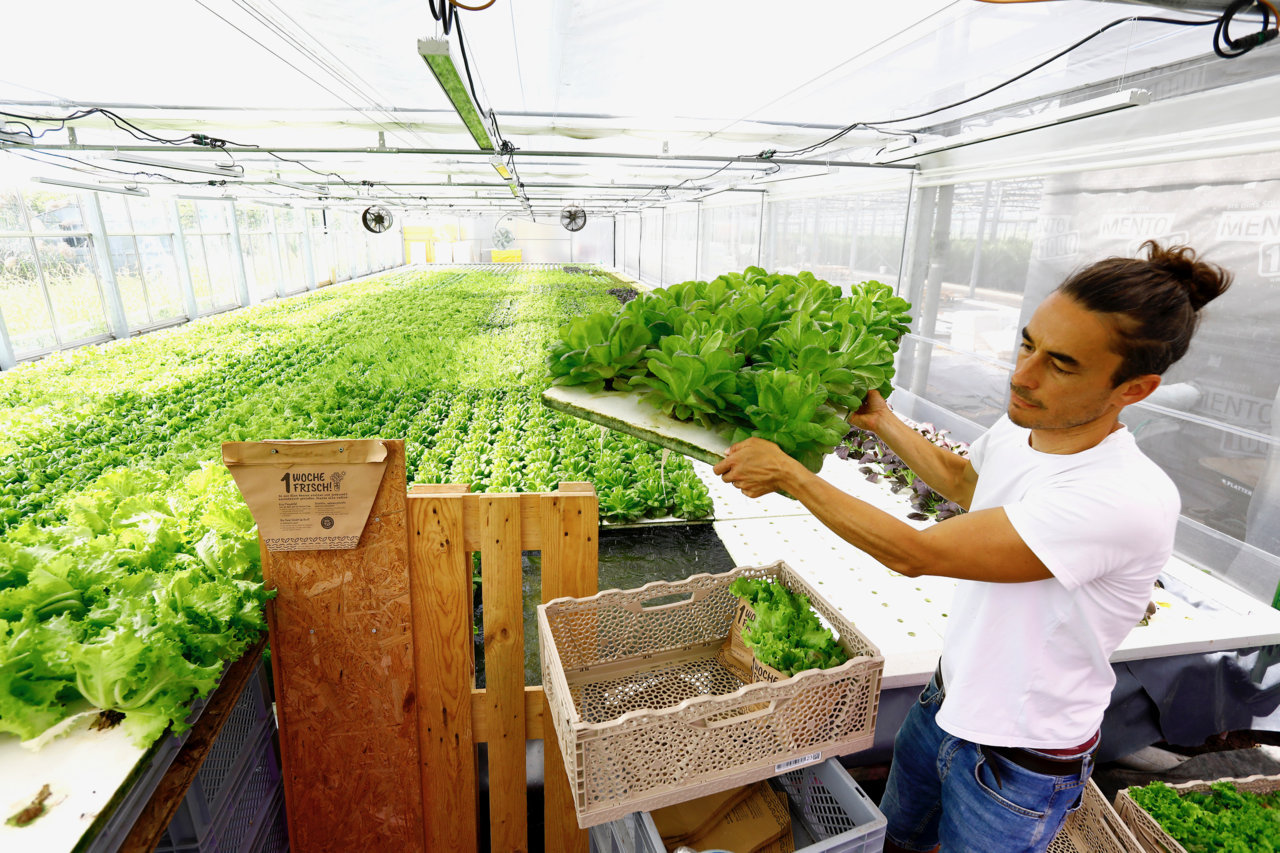
“To me, Ethical Banking is a local partner – a bank that is deeply connected to the region and committed to supporting sustainability projects in our community.”
MATHHÄUS KIRCHERBorrower:Matthäus Kircher & Tobias RautscherSolos farm Loan amount: 275,000 Euro Lending institution:Ethical BankingRaiffeisenkasse Eisacktal |