One thing is certain: Every Contribution Counts.
"Diversity can only thrive through diversity"
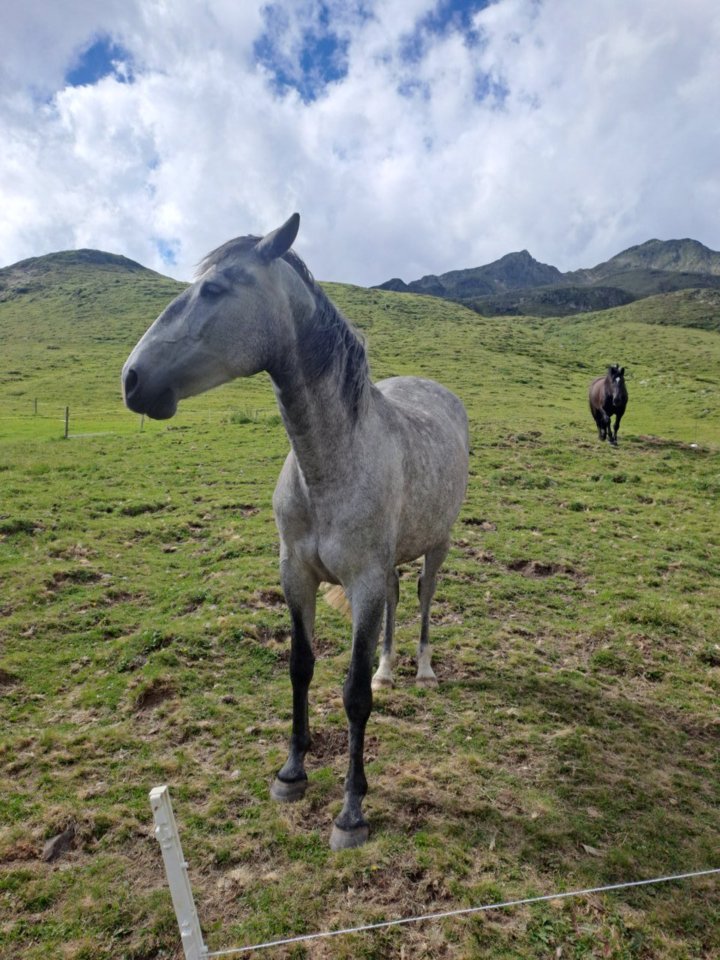
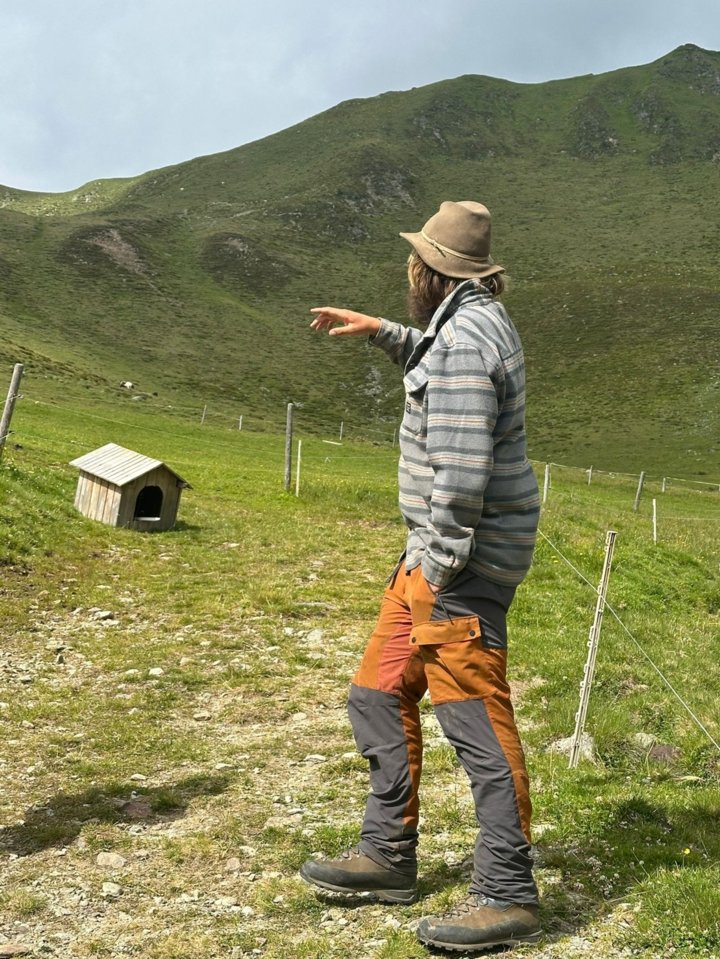
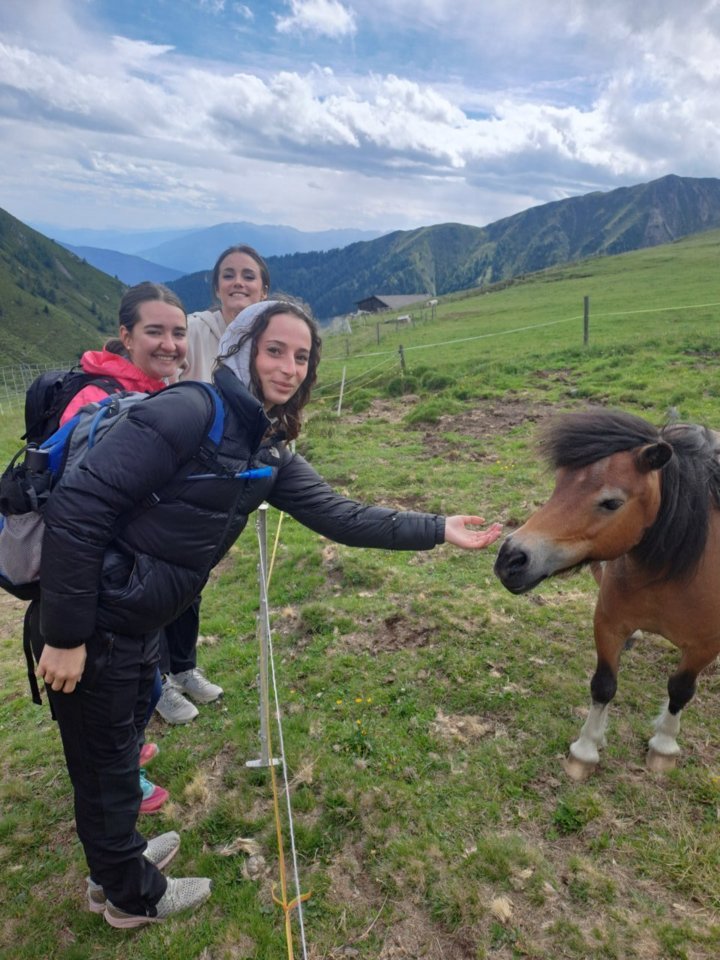
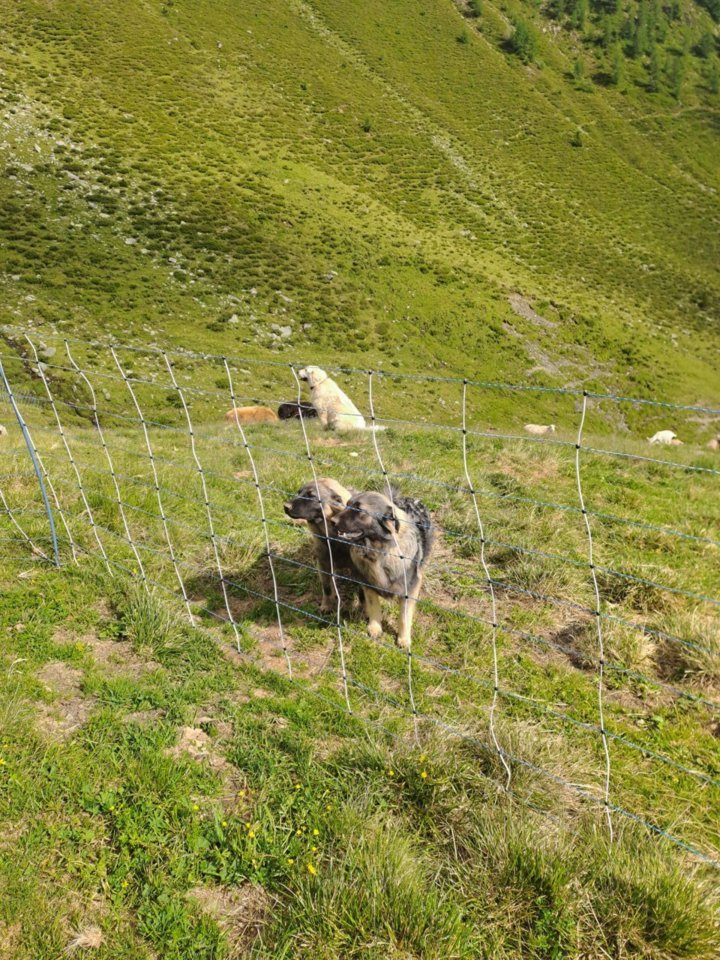
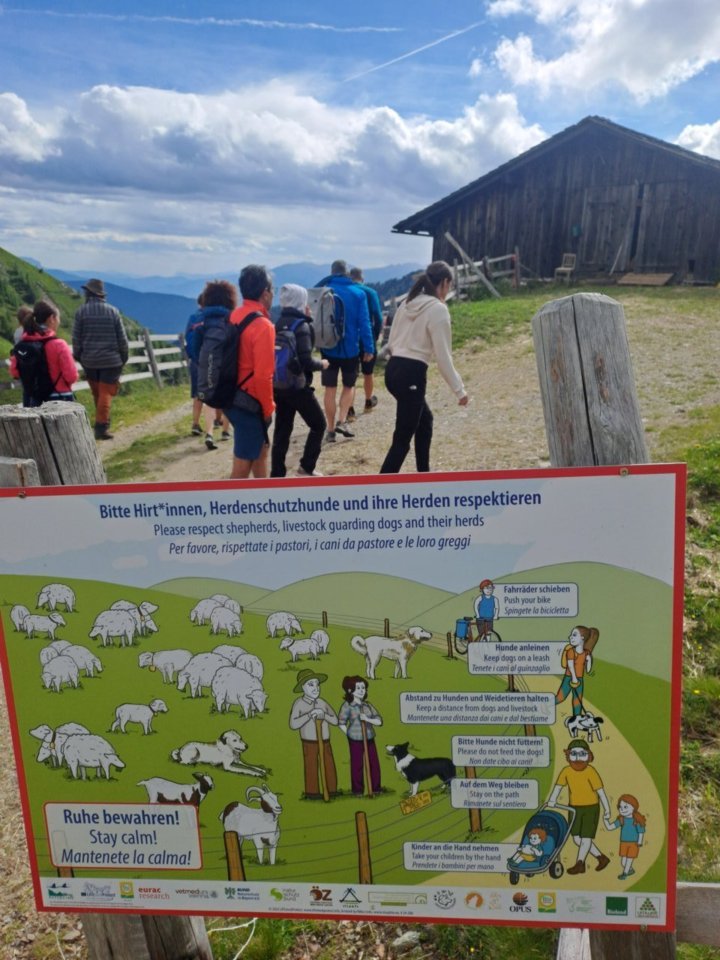
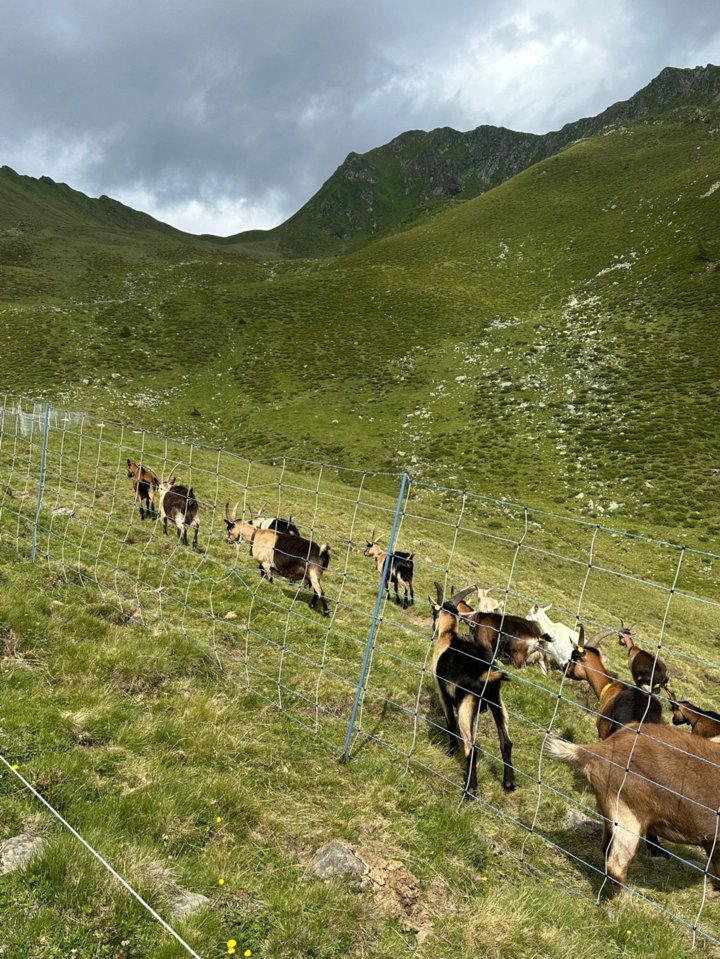
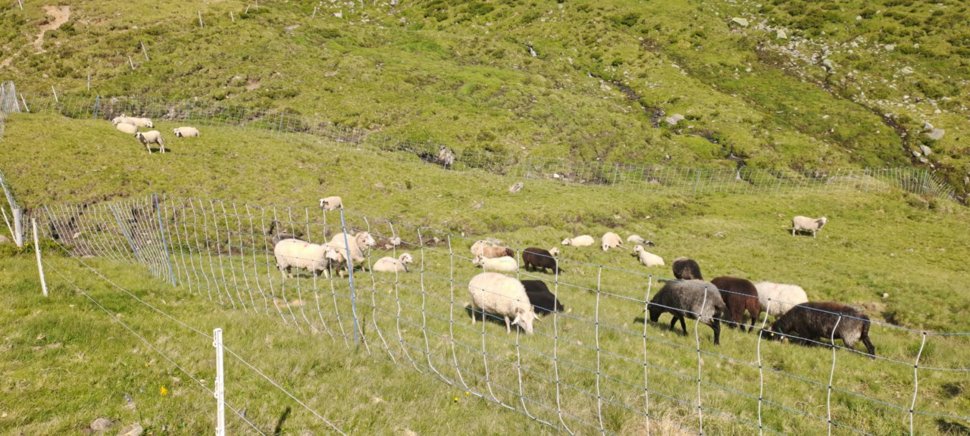
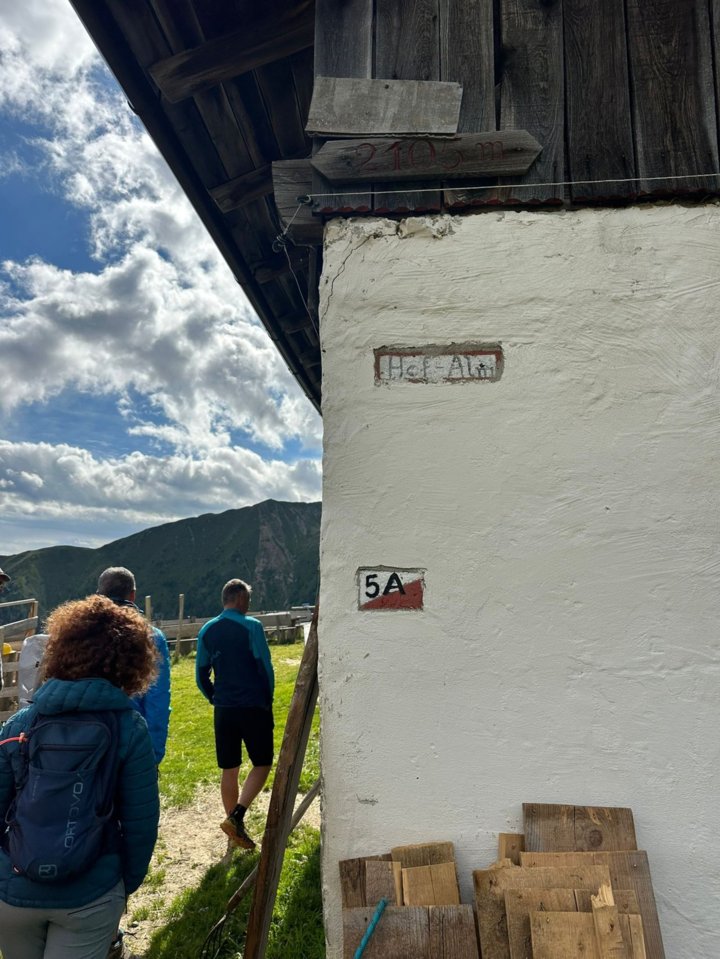
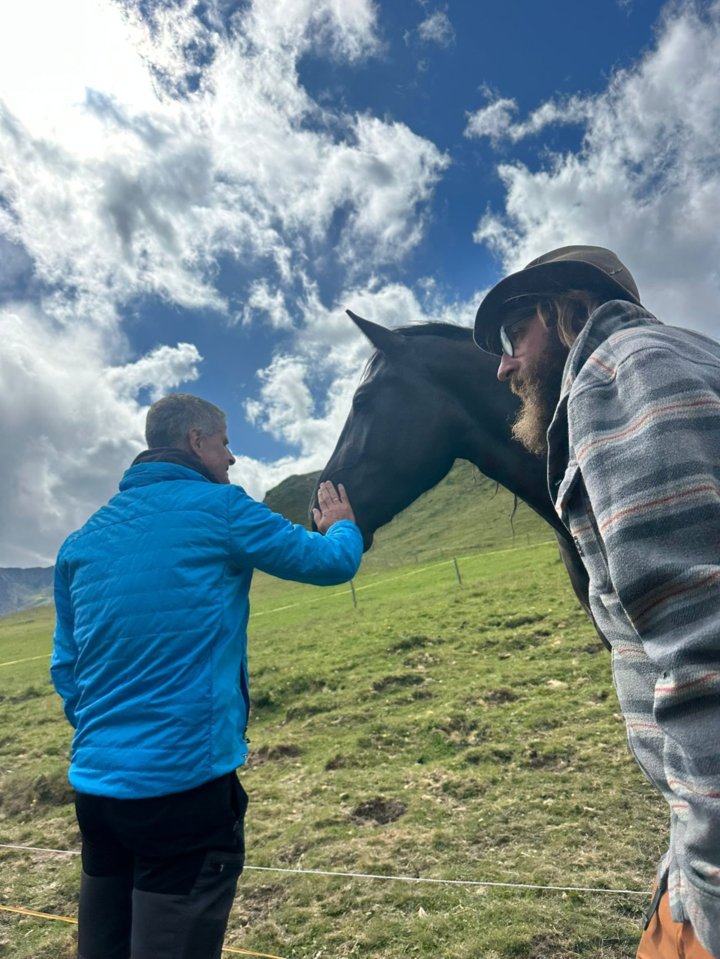
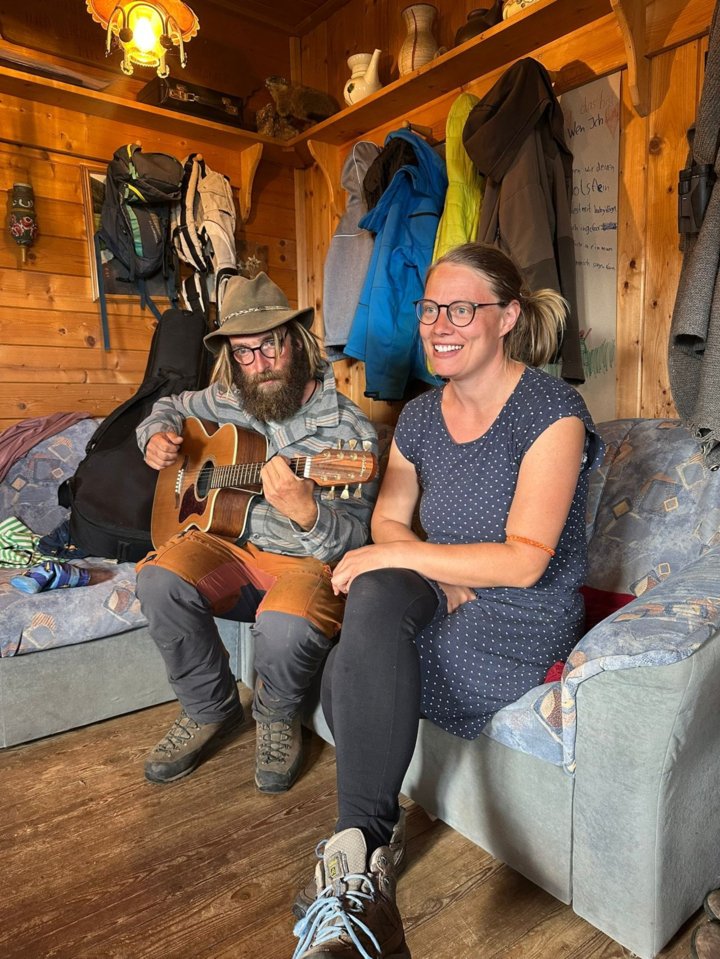
On a hot July afternoon, the Ethical Banking team sets out on a one-hour hike to the Hofalm pasture near Terenten. Once we arrive at the top, shepherd Matthias Prieth is already waiting for us and warmly welcomes us. For the third year in a row, he is spending the summer on the mountain pasture, located at around 2,100 metres above sea level, together with his family and four herding dogs.With 18 goats, 60 sheep, as well as several calves and horses, his herd is significantly smaller than it would ideally need to be. From an economic perspective, a much larger herd would make more sense. Yet in Italy, this is hardly possible. The consequences are clearly visible and tangible for everyone. A glance at the landscape behind the Hofalm is enough: where open alpine meadows once stretched out, dense stands of alpine rose are now spreading. The reason is surprisingly simple: when there are not enough grazing animals, alpine pastures become overgrown with shrubs. “Insufficient grazing leads to the encroachment of shrubs, resulting in the loss of valuable biodiversity,” we are told. One example of a plant that is increasingly spreading due to insufficient grazing is the alpine rose. And indeed, looking more closely at the landscape behind the Hofalm, it is easy to see that large areas are covered by vegetation. Around one third of the area where Matthias’ animals should be grazing is affected.
But why are there so few animals on the alpine pastures in the first place? The reason is not a lack of commitment among shepherds – quite the opposite. The problem lies in Italy’s legal framework. Compared to our neighbouring countries Austria and Switzerland, shepherding in Italy receives only limited support and is additionally made more difficult by numerous legal requirements. Nevertheless, Matthias chose this path. Not for financial reasons, he tells us, but out of idealism.
People like Matthias are the ones who have shaped our alpine landscapes for generations, preserving their unique character and ensuring that the biodiversity that still exists today is not lost even further. Nevertheless, it remains a profession with many challenges. There are no fixed working hours. The daily routine is determined by the animals, their needs and additional external factors. Added to this is the great responsibility shepherds carry – not only for their animals, but also for the landscape itself.
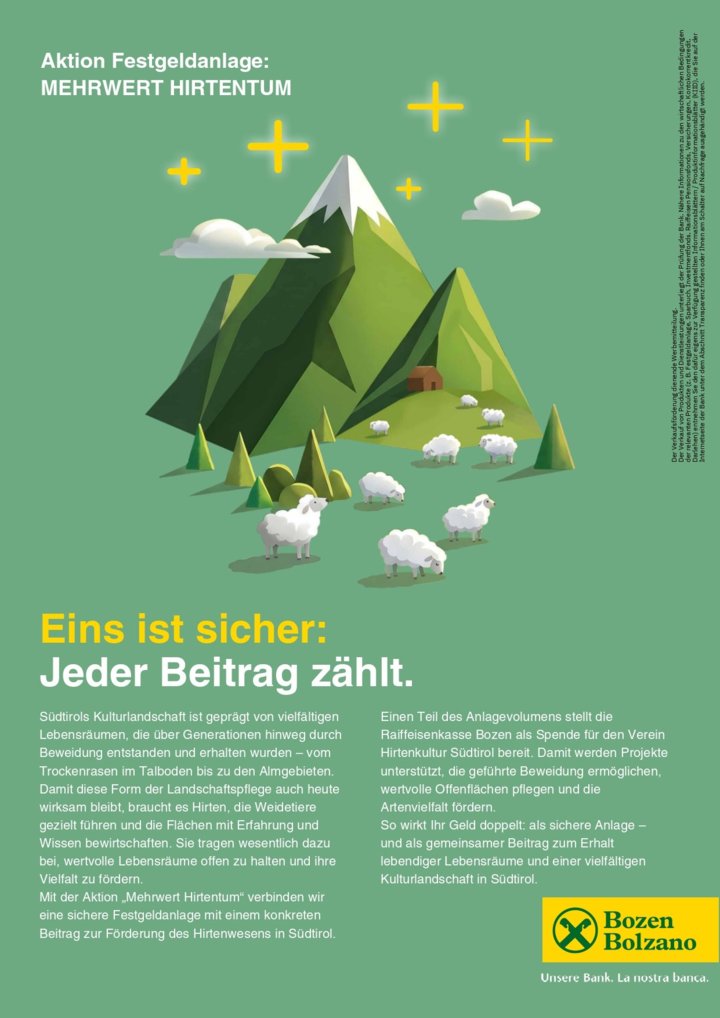
And it is precisely people like Matthias whom Raiffeisenkasse Bozen / Ethical Banking wants to support with the new fixed-term savings investment. Because only by ensuring that shepherding has a future can we preserve our landscapes for many generations to come, so that our children can continue to experience alpine pastures, biodiversity and our unique cultural landscape. >>play video